Generating leads is only the first step in the sales process. Businesses must also respond quickly, understand each prospect’s requirements, identify serious opportunities, and move qualified leads toward a consultation or purchase.
This process often requires significant manual effort.
Sales representatives may spend hours replying to basic questions, collecting contact details, asking qualification questions, and arranging appointments. During busy periods, leads may wait too long for a response and choose another company.
AI chatbots and WhatsApp automation can make this process faster and more efficient.
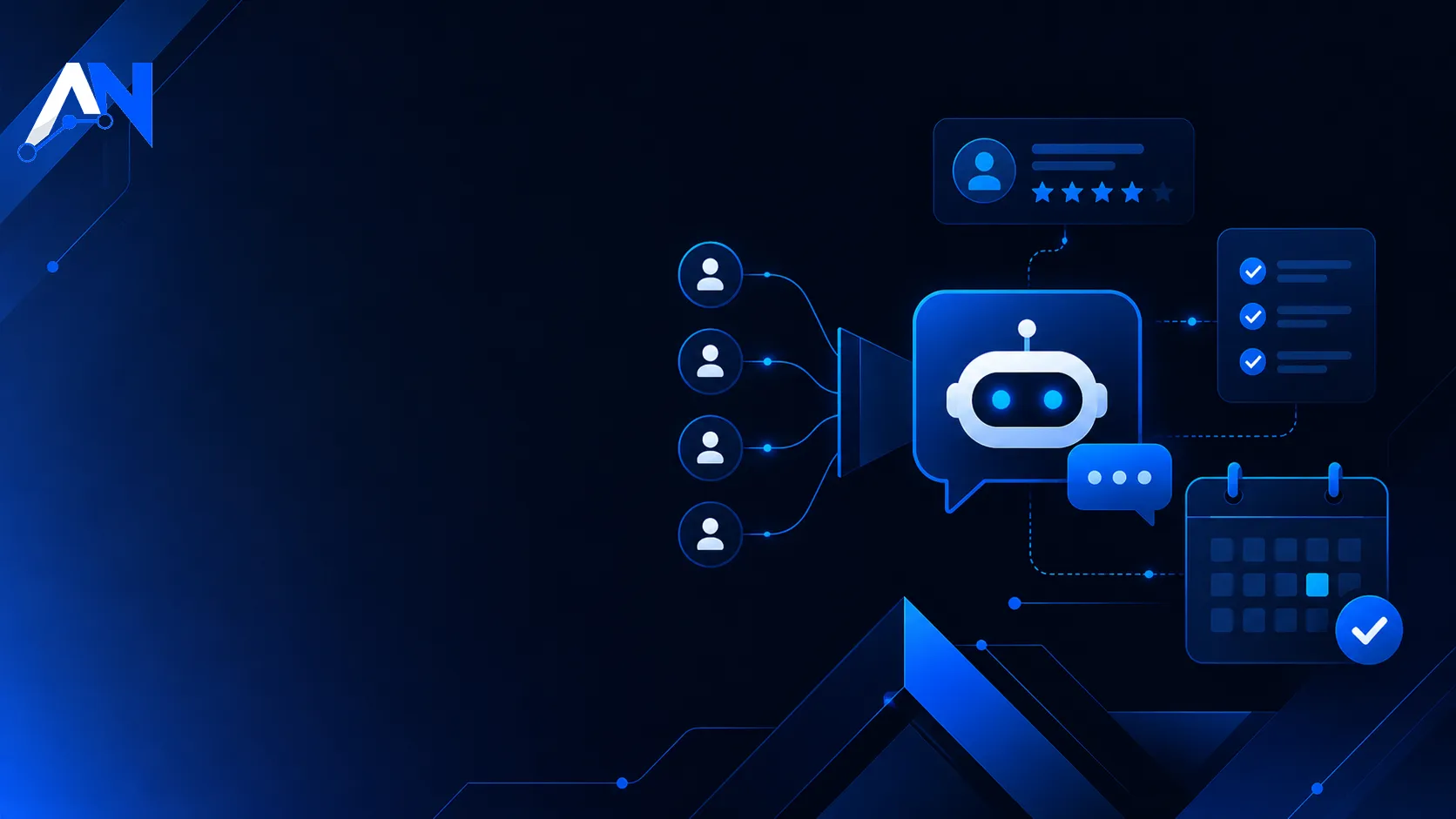
An intelligent chatbot can engage leads immediately, collect relevant information, identify their needs, qualify them according to business rules, and schedule appointments directly through WhatsApp.
Why Response Speed Matters
When someone contacts a business, their interest is usually strongest at that moment.
They may have just seen an advertisement, received a recommendation, visited the company’s website, or decided that they need a particular service.
A delayed response creates an opportunity for competitors.
An AI-powered WhatsApp chatbot can reply within seconds. It can welcome the prospect, understand the reason for their message, and begin guiding them through the next steps.
Even when the sales team is unavailable, the chatbot can continue collecting information and preparing the lead for follow-up.
Turning Website Visitors Into WhatsApp Leads
Many websites include long contact forms that ask visitors to provide multiple details before receiving assistance.
Some potential customers avoid these forms because they feel time-consuming or impersonal.
A WhatsApp conversation can feel more natural.
Businesses can add WhatsApp buttons to their website, landing pages, social media profiles, online advertisements, and email campaigns. When a user clicks the button, they can begin a conversation immediately.
The chatbot can then ask questions one at a time instead of presenting a large form.
This conversational process often feels easier for the customer.
For example, a web development agency may ask:
“What type of website do you need?”
The prospect may choose between an e-commerce store, business website, landing page, web application, or redesign.
The chatbot can then ask about required features, budget, timeline, and existing website details.
Automated Lead Qualification
Not every inquiry is a qualified sales opportunity.
Some people may be looking for information only. Others may not have the necessary budget, timeline, authority, or business need.
AI chatbots can qualify leads according to criteria defined by the company.
Common qualification factors include:
- Required service
- Business size
- Estimated budget
- Purchase timeline
- Location
- Existing solution
- Main challenge
- Decision-making authority
- Expected results
The chatbot can assign a score or category based on the prospect’s answers.
A high-priority lead may be sent directly to a sales representative. A lower-priority lead may receive educational resources or be added to a follow-up sequence.
This helps the sales team focus on the opportunities most likely to convert.
Personalizing the Conversation
A chatbot should not feel like a rigid questionnaire.
Modern AI systems can respond naturally to the information provided by the prospect.
For example, when a prospect says, “We run an online clothing store and receive too many repetitive support questions,” the chatbot can acknowledge the problem and explain how customer service automation may help.
It can then ask a relevant follow-up question, such as:
“Which questions does your team receive most frequently: order tracking, sizing, returns, or product availability?”
This creates a more useful and personalized conversation.
The chatbot should still follow structured qualification logic behind the scenes, but the customer experience should remain natural.
Capturing Lead Information Automatically
AI chatbots can collect and organize lead information without requiring employees to copy details manually.
The system may capture:
- Full name
- Phone number
- Email address
- Company name
- Website
- Required service
- Budget
- Timeline
- Conversation summary
- Qualification score
This information can be sent directly to a CRM, spreadsheet, project management tool, email inbox, or internal notification system.
The sales representative can review a concise summary before contacting the prospect.
This reduces administrative work and allows the representative to begin the conversation with useful context.
Automatic Appointment Booking
Scheduling meetings manually often involves several messages.
A prospect asks for availability, the salesperson suggests a time, the prospect requests another option, and both parties continue exchanging messages until they find a suitable slot.
WhatsApp automation can simplify this process.
The chatbot can connect with the company’s calendar and display available appointment times. The prospect selects a suitable slot, provides the necessary details, and receives confirmation automatically.
The system can also create the calendar event, send a meeting link, and notify the appropriate team member.
This reduces scheduling delays and allows qualified prospects to take action while their interest is still high.
Appointment Reminders and Rescheduling
Missed appointments waste time and reduce sales productivity.
WhatsApp automation can send reminders before the scheduled meeting. It can include the appointment date, time, meeting link, location, and any preparation instructions.
The prospect can also confirm, cancel, or request a new time through the same conversation.
When rescheduling is required, the chatbot can display available options and update the calendar automatically.
This improves attendance and reduces the administrative burden on the sales team.
Intelligent Lead Routing
Businesses with multiple services, locations, or sales representatives need to send each lead to the correct person.
An AI chatbot can route leads based on factors such as service type, location, language, budget, industry, or urgency.
For example, a software company may direct e-commerce inquiries to one specialist and AI automation projects to another. A real estate business may route leads according to preferred city or property type.
Accurate routing reduces delays and improves the customer experience because the lead is connected with someone who understands their specific needs.
Lead Nurturing Through WhatsApp
Some prospects are interested but not ready to purchase immediately.
A chatbot can place these leads into an appropriate nurturing journey.
It may share a case study, service guide, pricing overview, checklist, video, or frequently asked questions based on the prospect’s needs.
For example, a lead interested in WhatsApp automation may receive a guide explaining possible use cases, integration requirements, estimated implementation stages, and expected business benefits.
Follow-up communication should be helpful and permission-based. Businesses should avoid sending frequent promotional messages that provide little value.
The goal is to educate the prospect and remain available until they are ready to continue.
Human Handover
AI automation should not prevent customers from speaking with a person.
Some conversations require negotiation, detailed technical discussion, emotional understanding, or business judgment.
The chatbot should recognize these situations and transfer the conversation to a human representative.
A smooth handover includes the prospect’s details, qualification answers, conversation history, and a short summary. The representative should not require the customer to repeat everything.
This combination of automation and human expertise creates a more efficient sales process.
Measuring Lead Generation Performance
Businesses should monitor the performance of their chatbot and sales automation.
Useful metrics include:
- Number of WhatsApp conversations
- Percentage of visitors who become leads
- Qualification completion rate
- Number of qualified leads
- Appointment booking rate
- Appointment attendance rate
- Lead response time
- Human handover rate
- Lead-to-customer conversion rate
- Revenue generated from automated conversations
These measurements help businesses identify weaknesses in the process.
For example, a low qualification completion rate may indicate that the chatbot asks too many questions. A low appointment attendance rate may suggest that reminders need improvement.
For related guidance, explore AI chatbots and WhatsApp automation, implementing WhatsApp automation, hybrid AI and human support, and AI automation ideas for small businesses. For hands-on implementation, review our AI services. Ready to discuss your goals? Contact AlphaNovix to plan the next step.
Conclusion
AI chatbots and WhatsApp automation can transform lead generation from a slow, manual process into a responsive and organized sales system.
The chatbot can engage prospects immediately, understand their needs, qualify opportunities, capture information, schedule appointments, and prepare the sales team for meaningful conversations.
The most successful systems are designed around the actual sales process of the business. They ask relevant questions, provide useful information, respect customer preferences, and involve human representatives at the correct moment.
Our agency helps businesses build customized AI lead-generation and WhatsApp booking systems that connect with their websites, calendars, CRMs, and sales workflows.